Pest Control: Efficient Tactics to Safeguard Your Living space and Firm
Pest Control: Effective Strategies to Shield Your Residence and Organization
Introduction to Pest Control
Pest Control addresses the oversight or organization of species defined as pests – organisms that unfavorably modify human pursuits or settings. In New Jersey, where diverse natural systems join metropolitan and city expansion, effective Pest Control is not merely a convenience but a requirement for keeping sanitary living and working environments. From the expansive communities of Monmouth County to the connected localities of Matawan, pest outbreaks can affect each person, independent of how hygienic or well-kept their house may be.
The necessity of employing efficient Pest Control procedures should not be emphasized enough. For house owners, pests can deteriorate constructional strength, spoil food resources, and create considerable health hazards. Establishments deal with these comparable difficulties, with the additional worry of status impairment and possible forfeiture of customers if invasions are located. Frequent pests in New Jersey encompass small mammals like rats and mice, various invertebrates such as ants, cockroaches, and bed bugs, and the remarkably detrimental termites that can silently undermine a building's groundwork.
Why Pest Control Matters
Health Risks of Pest Control Chemicals
Several pests carry and spread ailments that can influence persons and pets. Rats and mice are known transmitters of hantavirus, salmonella, and leptospirosis. Cockroaches can initiate asthma bouts and sensitized effects, notably in little ones. Ticks, numerous in New Jersey's woodland zones, are notorious for conveying Lyme disease, while mosquitoes can carry West Nile virus and Eastern Equine Encephalitis. Specialized Pest Control facilitates diminish these health hazards by exterminating the root of these probable disease vectors.
House Harm in Pest Control
The structural damage produced by pests can be significant and high-priced. Termites alone produce over $5 billion in house devastation each year throughout the United States, with New Jersey homes being specifically open due to the state's environmental conditions. Small mammals can chomp through electrical circuitry, forming fire perils, while their constant nibbling can injure padding, pipes, and wooden foundational components. Even outwardly non-threatening ants can weaken wood structures if abandoned untreated, particularly carpenter ants which are frequent in Monmouth County.
Pecuniary Consequences of Pest Control Services
Dismissing pest problems can generate substantial budgetary ramifications. What might commence as a insignificant outbreak calling for straightforward management can speedily escalate into a serious issue calling for exhaustive treatment. For enterprises, chiefly those in the food trade or accommodation businesses, pest issues can lead to unsuccessful health checks, temporary cessations, and persistent destruction to image and shopper reliance. Financing in standard Pest Control is not merely about instantaneous contentment—it's a prolonged fiscal defense.
Pest Control: Typical Home and Business Pests
Small Mammals (Rats and Mice)
When it relates to locating rodent outbreaks in your New Jersey home, alertness is critical. You possibly perceive waste near food stocks, in containers, or below sinks. Nibble marks on food packaging, wood, and electronic lines are clear evidence of their occupancy. At night, you may perceive scrabbling commotion in walls, top boundaries, or underneath floors as these nocturnal beings turn lively. If you locate homes made from torn documents, cloth, or dehumidified plant material, that's a obvious symptom rodents have built themselves comfortable. Fatty rub marks adjacent to baseboards and partitions appear as rodents apply the identical paths recurrently, while your pets may show atypical behavior such as yelping or clawing at spots below devices or possessions where rodents camouflage.
Rats and mice in New Jersey homes and organizations create numerous dangers beyond mere irritation. They can adulterate food and production surfaces with infectious agents contained in their urine and stools. Their persistent need to gnaw can damage belongings, notably wiring, which makes fire hazards. In Matawan and encompassing regions, the Norway rat and house mouse are especially challenging, blooming in both metropolitan and bedroom community regions. Effective Pest Control approaches are essential to deal with these destructive intruders.
Creepy Crawlies (Ants, Cockroaches, Bed Bugs)
Invertebrate infestations manifest themselves in different methods depending on the variety. Ant predicaments turn obvious when you notice obvious ant routes going to food supplies, or when you uncover small heaps of soil or wood pieces produced by carpenter ants. Cockroach incursions often disclose themselves through dark droppings resembling coffee grounds or black pepper, a special moldy smell that pervades plagued spots, and the appearance of egg coverings in hidden corners. Bed bug infestations materialize as rust-colored spots on mattresses and furnishings, shed skins near lounging areas, small blood blemishes on sheets, and irritating red lumps on skin normally arranged in a line or cluster.
Insects typify the most diverse type of pests in New Jersey. Cockroaches can initiate asthma and hypersensitivities while distributing various pathogens. Bed bugs, while not disease carriers, cause appreciable irritation, sleep disruption, and psychological distress. Particular ant kinds, like carpenter ants regular in Monmouth County's forested places, can inflict foundational harm comparable to termites over time. Expert Pest Control agencies can detect specific insect kinds and carry out precise intervention approaches that manage the special practices and fragilities of each pest.
Termites
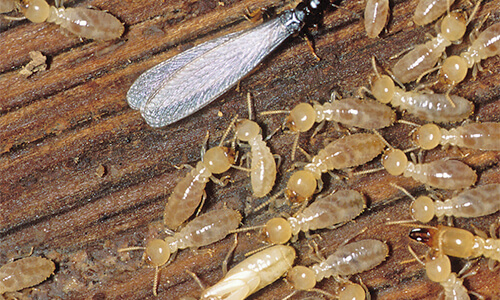
Discovering termite behavior rapidly calls for understanding the faint signals of their presence. You possibly see cast-off wings near windows and doors after swarmers have located a mate and set up a new community. Mud tubes on outside surfaces, wooden beams, or in crawl spaces act as protected highways for these destructive pests. Wood that resonates hollow when tapped signals termites have been gorging from inwardly. Access points and windows that unexpectedly stick may show bending from termite damage, while fractured or bubbling paint looking like water impairment often camouflages termite behavior below. Uncovering frass—termite excrement looking like tiny wood-colored granules—furnishes another validation of their undesirable occurrence.
Termites constitute perhaps the most noteworthy foundational peril among all standard pests. In New Jersey, the Eastern subterranean termite is abundant and notably destructive. These critters can persist hidden for durations while causing considerable injury to wooden constructional pieces. Homes in Matawan and all over Monmouth County, particularly older houses, are exposed to termite issues. The mean cost of term pest control.
Pest Control Safety Aspects
Secure Application of Products and Chemicals in Pest Control
As pesticides become needed in your pest control strategy, prioritizing protection demands focus to numerous vital methods that safeguard persons, pets, and the environment. Continuously examine and adhere to product directions exactly, as these binding directions reflect comprehensive examination and official review designed to minimize hazards. Apply the smallest successful amount of pesticide to reach management while minimizing unnecessary product incorporation into your home environment. Apply chemicals only in areas designated on the product instructions, preventing off-label applications that may create unforeseen risks or diminish performance. Wear suitable safeguarding equipment as stated by chemical companies to prevent personal contact during application. Maintain products in their factory packages with labels intact to retain access to safety information and eliminate mix-ups. Record thorough records of all treatments, recording products utilized, mixing ratios, areas applied to, and schedules of application for subsequent reference. Ensure proper curing and ventilation before reoccupying applied spaces, specifically important in New Jersey's conditions where humidity can alter setting times. Examine reduced-risk choices when viable, as advances in pest control have generated many reduced-risk choices that preserve effectiveness while minimizing potential hazards.
Protecting Pets and Kids While performing Pest Control Services
Extra precautions turn necessary when implementing pest control steps in residences with vulnerable family members. Remove companions while performing service and until areas are dry to stop close contact with damp chemicals or fumes that could generate adverse effects. Hide or move pet food, drinking dishes, and playthings before service to avoid contamination that could result in inadvertent eating. Place children's playthings apart from service locations, particularly things that small children might place in their mouths. Disinfect and sterilize meal cooking surfaces after application, even if they were not immediately treated, to remove any residues that might have gathered during service. Keep kids away from applied locations for the recommended time, prolonging this time for mobile toddlers who have greater direct interaction with surfaces and lower areas. Evaluate animal-friendly and non-toxic to children chemical options when available, as many contemporary formulations focus on specific pest biology while reducing human poison. Most significantly, notify expert technicians about the existence of companions, children, or expecting household members before they design service strategies, allowing them to adapt approaches and substance options accordingly.
Regulatory Guidelines and Compliance with Pest Control
Pest control in New Jersey operates within a governmental system intended to safeguard public health and the environment while providing successful pest elimination. The New Jersey Department of Environmental Protection supervises pest management operations, necessitating expert pest control businesses to achieve particular criteria. Firms must use qualified applicators who have cleared official tests showing skill in pest study, treatment techniques, and security protocols. These companies must keep adequate insurance coverage protecting both their applicators and their patrons from potential losses or damage associated with pest elimination operations. Strict requirements govern product keeping, transportation, and removal to eliminate natural pollution and unauthorized availability. Technicians must provide Safety Data Sheets upon request, noting the characteristics and dangers of chemicals used in applications. Notification guidelines apply for some treatments, specifically in multi-unit buildings or business areas with several tenants. Comprehensive treatment documentation must be maintained, forming an inspection record of pest elimination procedures. Furthermore, only substances authorized for use in New Jersey may be lawfully employed, making certain that area environmental circumstances and environments have been considered in the authorization procedure. For industrial establishments in Matawan and throughout Monmouth County, further rules may relate depending on the business, especially for restaurant service, healthcare, and childcare establishments where pest control overlaps with other community safety considerations.
Green Pest Control Options
Combined Pest Control (IPM) Strategy
Combined Pest Management constitutes the gold standard in modern pest control, focusing on lasting protection through a mixture of techniques that limit natural effect while maximizing efficiency. The IPM system starts with detailed assessment and surveillance to recognize pest pressure exactly, establishing baseline information about species found and amount sizes. This produces precise identification of pest kinds, making certain elimination actions aim at certain behaviors and exposures rather than implementing generic procedures. Specialists establish boundary quantities that justify treatment, acknowledging that the simple occurrence of a handful of organisms doesn't inevitably need control if numbers continue under injurious numbers. When intervention becomes essential, IPM uses several control strategies in coordination, usually starting with least-toxic techniques and escalating only when required. Throughout the method, specialists evaluate success and change methods as needed, building a dynamic strategy flexible to changing conditions. Most importantly, IPM focuses on prevention over treatment, addressing building and environmental elements that support pest numbers rather than just destroying current creatures. Many pest control businesses in New Jersey supply IPM-based solutions that coordinate with the state's initiative toward minimal-impact pest management practices, notably in critical locations like educational facilities, healthcare institutions, and meal manufacturing centers.
Natural Control Methods
Successful pest control often combines natural techniques that can solve or lower pest concerns without bringing products into the ecosystem. Structural shields such as screens, door strips, and caulking eliminate pest invasion fully, tackling the concern at its source. Physical methods like catches and barrier devices take away current creatures while stopping new arrivals. Natural approaches featuring advantageous creatures and organisms introduce organic predators that attack certain pests while leaving helpful insects unharmed. Environmental techniques modify the surroundings to repel insects, such as modifying water timing to reduce water that lures specific creatures. Area change decreases hiding places and sustenance resources, causing properties decreased favorable to problematic guests. For specific insects like bedbugs, heat processes offer exceptionally productive elimination without harmful remains by increasing heat above the thermal death point for all growth periods of the target pest. Similarly, freezing approaches for kept commodity pests like food beetles or pantry pests can remove issues in nutritional goods without chemical pollution. These strategies demonstrate notably beneficial in New Jersey's varied settings, where proximity to aquatic systems, preserved environmental regions, and concentrated residential centers produces multiple conditions where toxic limitation grows wanted or necessary.
Green Pest Control Control Methods
The pest control sector continues to evolve toward increasingly green methods that preserve performance while lowering natural influence. Natural chemicals derived from plant essences like pyrethrum, neem, and aromatic compounds provide targeted elimination with limited lasting power in the nature. Living pesticides including bacteria, organisms, or website pathogens that attack individual pest species provide exactness that traditional universal chemicals are unable to match. Growth inhibitors that stop pest mating by interfering with life cycle processes offer extended number suppression without quick toxic effects on fully-grown organisms. Scent systems that watch or disrupt pest pairing support figure out when action grows necessary and can avoid mating in specific kinds. The field increasingly uses minimal-impact pesticides with minimal surrounding footprint, transitioning away from previous products with wider influences on non-target creatures. Precision treatment equipment that reduce overall substance consumption deliver services precisely where required rather than distributing chemicals around wide areas. Eco-friendly accreditation programs for pest control organizations create requirements for ecologically preferable care and supply clients with obvious identification of businesses devoted to environmentally-friendly methods. In environmentally vulnerable regions of New Jersey, featuring areas of Monmouth County with distance to water areas, these green approaches are especially beneficial for preserving both individual health and ecological ecosystems while continue to supplying efficient pest elimination.
Finding a Local Pest Control Service Provider in New Jersey
Capitol Exterminating System
272 NJ-34
Matawan, NJ 07747
(732) 441-1900
Commonly Posed Queries (FAQs) about Pest Control
How commonly should pest control be carried out?
For the majority of New Jersey residences, every three months pest control offers sufficient protection against seasonal pest challenges. This frequency matches with the area's separate seasons, each generating different pest issues that demand protective attention. Early season services typically deal with appearing ant populations and overwintered pests turning energetic. Summertime services emphasize on mosquitoes, parasites, and numerous winged pests that succeed in heated weather. Fall applications set up properties for small mammals and hibernating pests seeking protection as weather drop. Cold season procedures keep protection against interior insects while addressing rodent pressure at its highest. Nevertheless, this rate may increase for homes with certain risk factors or ongoing issues that call for additional comprehensive management. Houses near forested zones in Monmouth County may gain from additional parasite and flying insect services across high cycles. Properties with past of certain pest issues regularly need specific subsequent applications beyond the typical quarterly timing. Business establishments, specifically dining preparation facilities in areas like Matawan, frequently call for regular attention to keep compliance with sanitary requirements and eliminate problems that could injure standing and trade activities.
Is professional pest control protected for pets?
When executed appropriately, professional pest control can be safe for companions through thoughtful chemical choosing and treatment methods that minimize exposure. Current directed treatment approaches and reduced-risk materials have significantly bettered safety characteristics relative to previous pest control approaches. Current services regularly use mixtures especially designed to have minimal toxicity to creatures while staying efficient against target creatures with different physiologies. Expert technicians get instruction in application procedures that put products in locations pets cannot get to, such as structural voids, cracks and gaps, or beneath devices. Nonetheless, companions should be moved during service and until all applications have solidified totally, adhering to particular waiting intervals advised by the substance producer and technician. Aquarium tanks should be shielded and air equipment turned off during service to stop contamination from airborne matter. Pet belongings including resting places, items, and nutrition containers should be relocated or covered throughout treatment. Address any issues with your pest control service, who can recommend proper delay durations according to the individual treatments employed and adapt strategies for families with especially susceptible companions like avians or reptiles that may have distinct physiological sensitivities than cats and dogs.
What are the signs of a serious pest infestation?
Beyond observable pests directly, numerous alert signals indicate potentially severe infestations requiring urgent pest control intervention. Odd aromas commonly appear with extensive infestations – musty, fatty scents may show rodents, while sugary, almond-like aromas sometimes come with German cockroach populations. Unknown structural destruction like drooping boards, peeling surface, or falling apart material may reveal termite damage or carpenter ant infestations destroying support parts. Odd activity within partitions or upper spaces, specifically at dark, regularly indicate rodent movement as these nighttime organisms grow active in hidden areas. Excessive powder appearing as minute sawdust around wooden elements may truly be frass or excrement from lumber-eating creatures. Some households have unexplained physical troubles like respiratory issues or discomfort that go away when away from home, probably showing bug invasions influencing interior atmosphere standard. In New Jersey properties, particular care should be devoted to basement and foundation locations where humidity concerns can sustain pest communities, particularly in mature residences throughout Monmouth County where structural cracks and deteriorating binding offer numerous penetration spots. Locating numerous deceased creatures of the identical species implies a larger colony nearby, while oil signs beside wall bases suggest developed rodent passages with regular traffic.
Can I eliminate organisms without pest control substances?
Absolutely, many insects can be eliminated through correct cleaning, barrier methods, and habitat change without using synthetic interventions. The cornerstone of natural pest control starts with complete barrier efforts – closing cracks, holes, and entrances that allow pests to penetrate buildings in the first spot. Installing entrance sweeps, mending broken mesh, and sealing mechanical holes eliminates common access spots. Getting rid of food sources through proper nutrition preservation in closed receptacles, fast elimination of spills and pieces, and consistent garbage elimination substantially reduces lures that pull insects indoors. Minimizing humidity by repairing dripping fixtures, enhancing ventilation in damp spaces, and addressing drainage troubles stops the liquid resources many insects demand. Keeping a separation region encircling homes by pruning foliage, taking away organic litter, and keeping timber elevated and distant from properties reduces hiding spaces and access places. Applying solid blockades like metal screen or metal material to prevent more significant openings offers lasting barrier protection for rodents and rodents. Regular maintenance that features removal fissures and gaps eliminates bug offspring and food waste that support pest breeding. For active infestations, nonetheless, some type of management product may be required to address set troubles, though numerous minimal-impact choices are offered including natural silica dust, boric compound, and bug-eliminating detergents that provide lowered risk versus conventional pesticides.

What should I expect while having specialist pest control procedure?
A specialist pest control procedure commonly initiates with a comprehensive inspection to recognize pest varieties, entry spots, and encouraging situations adding to the concern. The professional should take effort reviewing both inside and external zones, devoting special consideration to kitchens, bathrooms, lower levels, and border foundations where pest activity regularly accumulates. After this examination, the technician should detail their discoveries in thoroughness and recommend a procedure approach customized to your particular case, addressing both the intended creatures and the approaches suggested for managing them. You may get preparation instructions before procedure, possibly including shifting furniture, removing specific areas, or protecting pets. Throughout the procedure, the specialist will employ appropriate products to designated areas based on the pest kinds found, centering on gaps, gaps, and pest shelter spaces rather than scattering applications around complete regions. They may set up monitoring equipment like creature devices or food stations that support follow advancement and deliver persistent protection. After completing services, a professional should clarify any subsequent guidelines such as air movement specifications, occupancy intervals, or areas to wash. Before going, they should set up subsequent visits if essential for particularly persistent creatures like sleeping pests or German roaches that generally call for numerous procedures for complete eradication. During this process, technicians should invite inquiries and offer understandable facts about the products and procedures employed, showing their preparation and commitment to both success and wellness.
Efficient pest control is an crucial component of sustaining safe, secure living and professional settings in New Jersey. From the damp summers that create flying insects and ticks to the chilly periods when rodents seek shelter indoors, pest threats persist a continuous concern for residents and enterprises in Monmouth County and Matawan. By comprehending typical creatures, using proactive procedures, and recognizing when to seek qualified assistance, home operators can defend their assets and the health of inhabitants.
Using a anticipatory method to pest control is constantly increasingly effective and budget-friendly than responding to existing problems. Regular assessments, correct care, and dealing with small problems before they worsen can eliminate the significant costs and interruptions related with serious pest troubles. When professional help grows needed, choosing a reputable, licensed pest control provider who uses unified pest treatment strategies ensures productive achievements with minimal environmental effect.